Innovations in Crop Management
In the face of mounting global food demands and the challenges posed by climate change, innovations in crop management have become essential for ensuring sustainable agricultural productivity. The intersection of technology, science, and traditional farming practices is forging new paths to enhance yield, optimize resource use, and reduce environmental impact.
One of the most promising areas of innovation is precision agriculture, which utilizes advanced technologies such as GPS, drones, and IoT devices to collect and analyze data about field conditions. By employing satellite imagery and remote sensing, farmers can monitor crop health, soil quality, and weather conditions in real time. This approach allows for more precise application of water, fertilizers, and pesticides, thereby maximizing efficiency and minimizing waste.
Another groundbreaking development is the use of machine learning algorithms to predict crop yields and identify potential threats. These predictive models can analyze vast amounts of historical weather data, soil information, and crop performance records to help farmers make informed decisions. With enhanced forecasting capabilities, growers can better plan their planting schedules and implement proactive measures to protect their crops from anticipated challenges such as droughts or pest invasions.
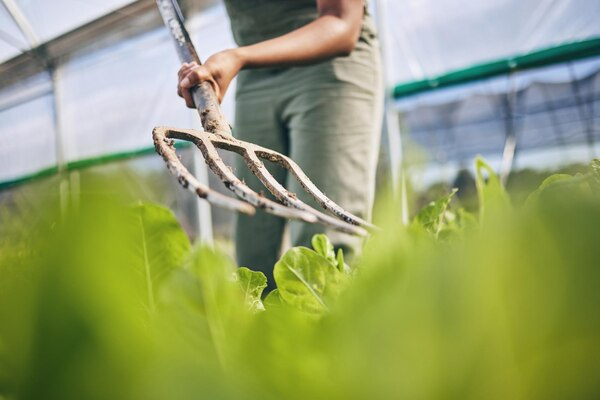
Genetic engineering and biotechnology also play pivotal roles in modern crop management. Advances in genetic editing tools like CRISPR have allowed scientists to develop crop varieties with improved resistance to diseases, pests, and adverse environmental conditions. These genetically modified organisms (GMOs) can lead to higher yields and reduced reliance on chemical pesticides, promoting a more sustainable agriculture model.
Combining traditional farming practices with these new technologies is crucial. Integrated Pest Management (IPM), for example, is a holistic approach that combines biological, cultural, and chemical practices to manage pest populations effectively and sustainably. By leveraging the natural ecosystem and introducing beneficial insects, farmers can control harmful pest outbreaks while maintaining ecological balance.
Furthermore, advancements in sustainable irrigation methods such as drip irrigation and rainwater harvesting have significantly improved water use efficiency. These techniques ensure that water resources are used judiciously, which is particularly vital in regions facing water scarcity. By conserving water and reducing runoff, farmers can maintain soil health and prevent erosion.
Soil health management continues to be a cornerstone of effective crop management. Practices such as crop rotation, cover cropping, and reduced tillage help maintain soil fertility and prevent degradation. By understanding and nurturing the complex soil ecosystem, farmers can boost the resilience of their crops and improve long-term productivity.
Finally, innovations in crop management are driving changes in supply chains and market structures. Digital platforms and blockchain technology are enhancing transparency and traceability in agricultural supply chains, allowing consumers to make informed choices about the origins and quality of their food products. This increased transparency can empower farmers by providing them with better market access and pricing information.
In conclusion, innovations in crop management are unlocking new potentials for agriculture, transforming how we grow, manage, and consume food. Embracing these advancements not only addresses present challenges but also sets the stage for a resilient and sustainable agricultural future. As the global population continues to grow and environmental pressures mount, these innovations will be invaluable in ensuring that food security and environmental health go hand in hand.