Smart Technologies Transforming Farms
In recent years, the agricultural sector has witnessed a significant transformation due to the incorporation of smart technologies. These advancements are not only enhancing productivity but also promoting sustainable farming practices. As the global population continues to rise, the demand for food escalates, making it essential to innovate and adopt technologies that can meet this demand efficiently. This article explores several key smart technologies revolutionizing farms and the ways they are reshaping the future of agriculture.
Precision Agriculture
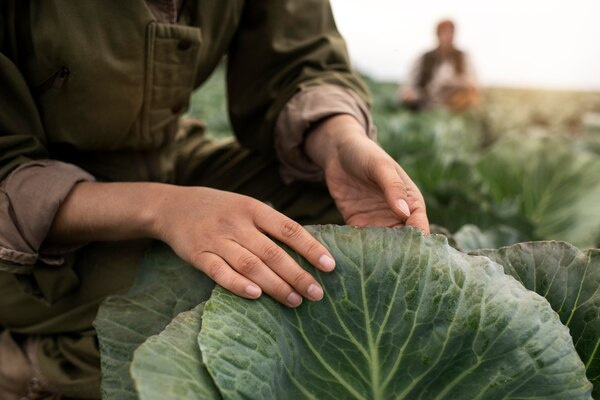
Precision agriculture is perhaps the most transformative application of smart technology in farming. By utilizing GPS and IoT devices, farmers can monitor and manage their fields with unprecedented accuracy. These technologies allow for precise actions such as variable rate application of fertilizers and water, ensuring that crops receive exactly what they need for optimal growth. This targeted approach not only maximizes yield but also minimizes waste and environmental impact.
Drones and Aerial Imaging
Drones have become an invaluable tool for modern farmers. Equipped with high-resolution cameras, these unmanned aerial vehicles can survey large areas quickly, providing detailed images of crop health and field conditions. By analyzing these images, farmers can detect issues such as pest infestations, nutrient deficiencies, or water stress early, allowing for timely interventions. This proactive approach helps in maintaining crop health and improving production efficiency.
Automated Machinery
The introduction of automated machinery, such as self-driving tractors and robotic harvesters, has significantly reduced the labor-intensive nature of farming. These machines use advanced sensors and AI algorithms to operate independently, performing tasks such as planting, watering, and harvesting crops. Automated systems enhance precision and efficiency, reducing human error and labor costs, which ultimately increases profitability for farmers.
Smart Irrigation Systems
Water management is a critical aspect of agriculture, especially in regions facing water scarcity. Smart irrigation systems equipped with moisture sensors and weather forecasting data help optimize water usage. These systems can adjust the amount and timing of water application based on real-time conditions, ensuring that plants receive the right amount of water at the right time. This technology conserves water resources and promotes sustainable agriculture practices.
IoT and Data Analytics
The Internet of Things (IoT) is playing a crucial role in connecting various devices and systems on farms, enabling the collection of vast amounts of data. This data, when analyzed, provides insights into crop performance, soil health, and environmental conditions. Farmers can use this information to make informed decisions regarding planting schedules, resource allocation, and crop rotations. Predictive analytics further helps in forecasting trends and potential challenges, allowing for strategic planning.
Blockchain Technology
In addition to improving farm operations, smart technologies are enhancing transparency and traceability in the food supply chain. Blockchain technology, with its secure, decentralized ledger system, is being used to track the journey of agricultural products from farm to table. This transparency is valuable for consumers who seek assurance regarding the origin and quality of their food and helps farmers to authenticate their practices and products.
Challenges and Future Prospects
Despite the numerous benefits, the adoption of smart farming technologies is not without challenges. High initial costs, a lack of technical expertise, and concerns over data security are among the hurdles faced by farmers. Nevertheless, as technology continues to advance and become more accessible, these challenges are likely to diminish.
In conclusion, smart technologies are playing a transformative role in the evolution of agriculture, driving the sector towards increased efficiency, sustainability, and productivity. As we look to the future, continued innovation and collaboration among technology developers, policymakers, and farmers will be essential in ensuring that these tools effectively address the challenges of feeding a growing global population. The integration of smart technologies on farms not only holds the key to boosting agricultural output but also to nurturing a sustainable planet for generations to come.